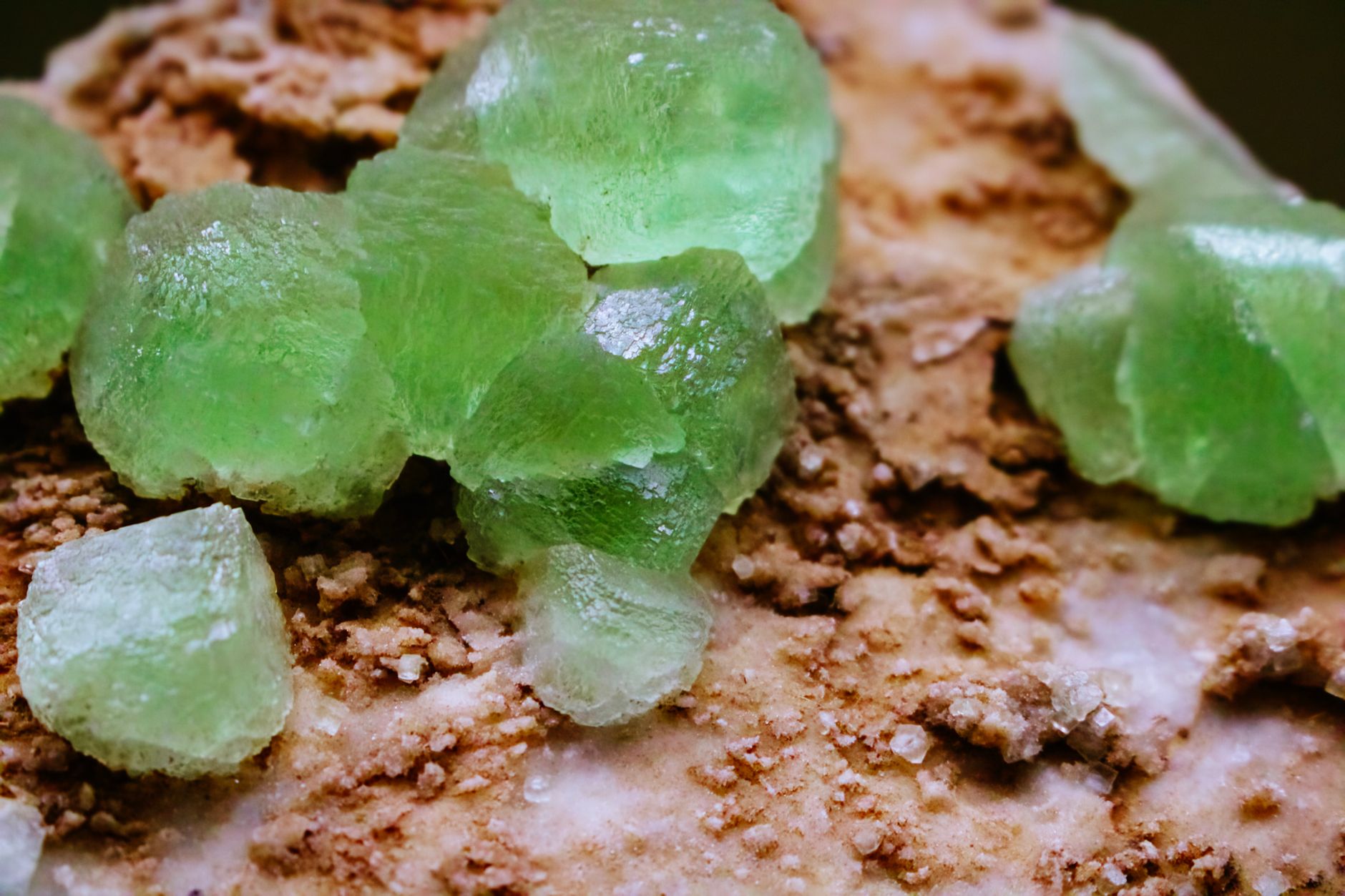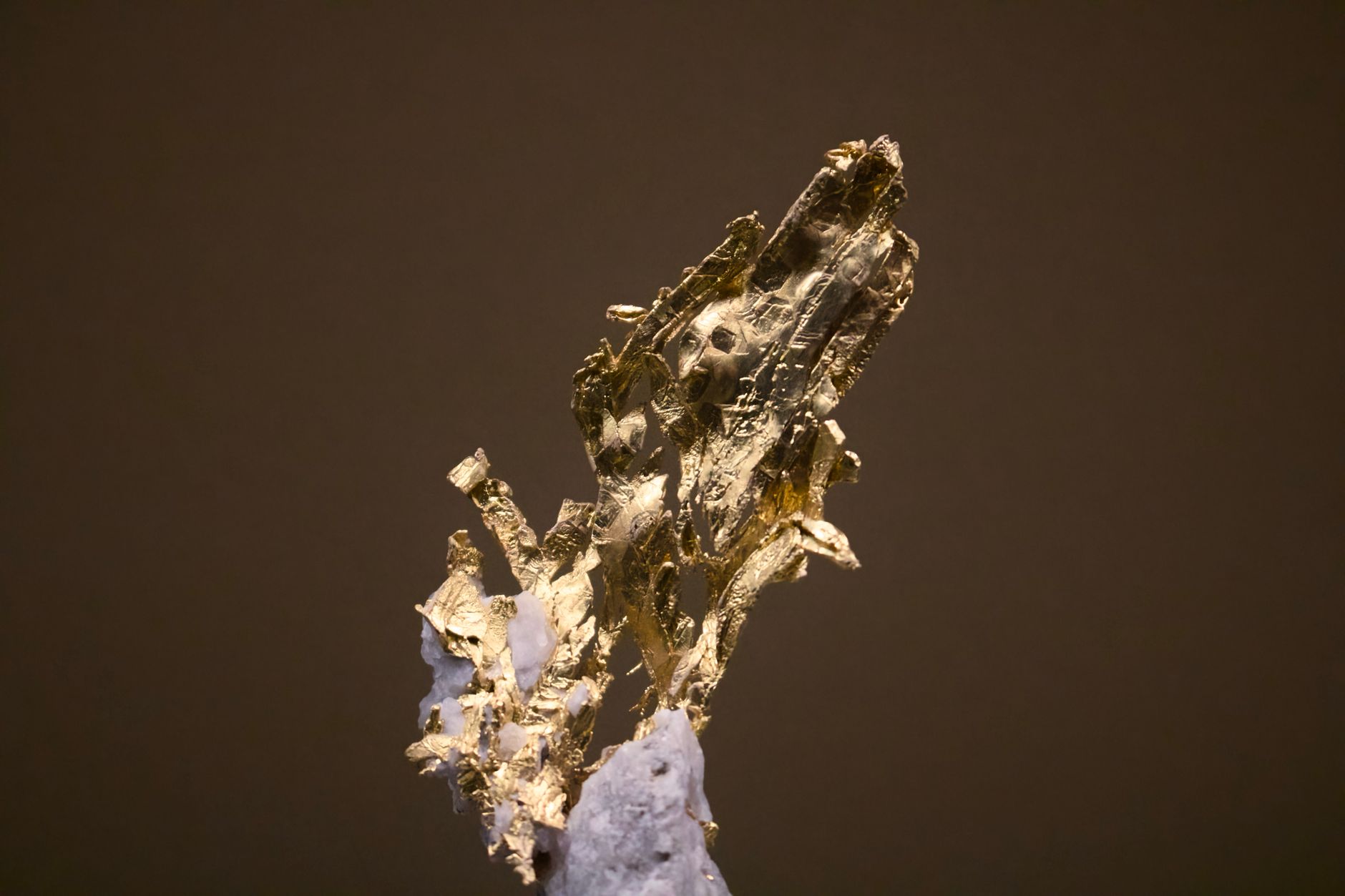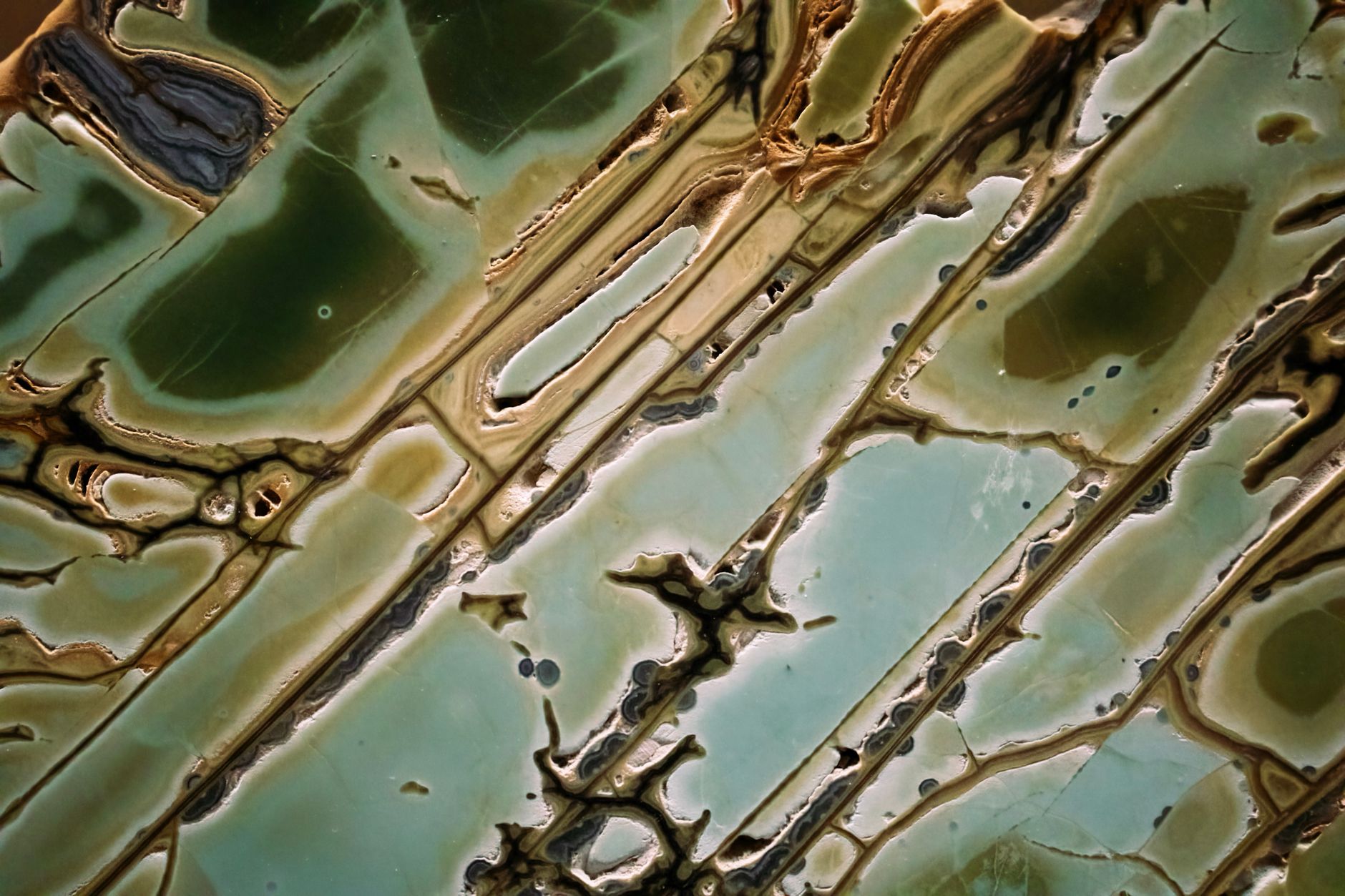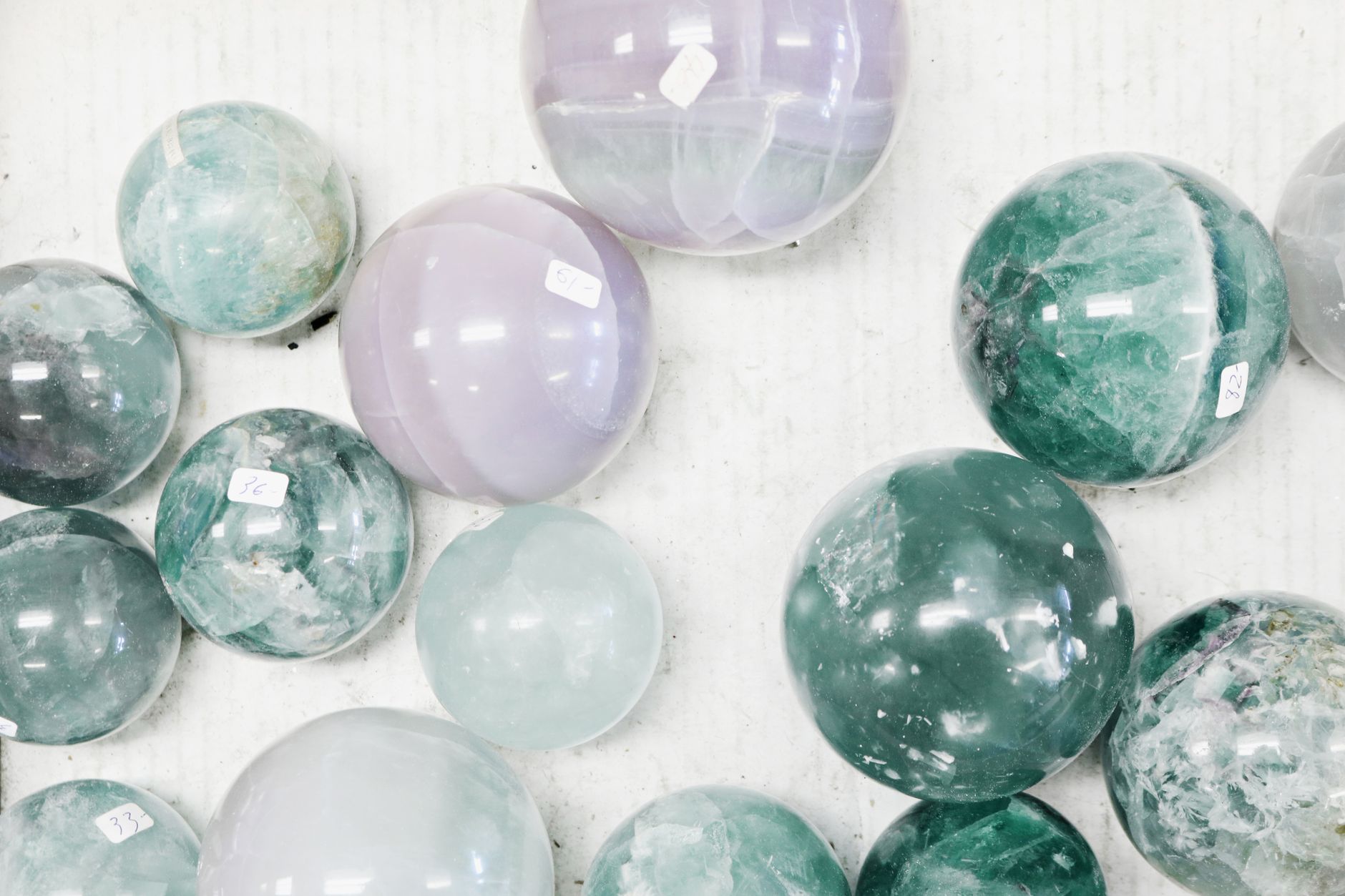
Close-up of bright green crystals on a textured mineral surface, showcasing natural beauty.

Gemstone Identification Guide: Minerals & Crystals

⚡ Quick Answer: Identify gemstones and minerals by testing seven key properties: color, streak, luster, hardness (Mohs scale), cleavage, specific gravity, and crystal form. A 10x loupe and a basic hardness kit are all you need to identify most common field finds. Identifying gemstones and minerals is both an art and a science. Whether you’ve found an interesting stone in the field or inherited a collection, proper identification is the first step toward understanding its value and significance. ...

May 17, 2026 · 6 min · Jarrod Gravison
Black and white photograph of Königstein's striking sandstone formations in Sachsen, Germany.

How to Identify Agates in the Field: 6 Signs You've Found...

Quick Answer Hold the rock up to sunlight or a flashlight. If light passes through — even faintly — you may have an agate. True agates are translucent microcrystalline quartz, often banded, with a waxy to glassy surface and a Mohs hardness of 6.5–7. Opaque rocks with similar appearance are most likely chert, flint, or jasper. Agates are among the most widely collected stones in North America — and among the most commonly misidentified. Chert, flint, and jasper all look similar on the surface. Knowing the difference comes down to a few reliable field tests. ...

May 17, 2026 · 5 min · Jarrod Gravison
Detailed view of unique basalt rock formations in Vik, Iceland, showcasing natural texture and pattern.

How to Identify Fool's Gold vs Real Gold

Quick Answer: To tell fool’s gold (pyrite) from real gold, check its streak: pyrite leaves a greenish-black streak, real gold a yellow one. Pyrite is brittle and will shatter, while real gold is soft and malleable and will dent. Real gold is also much heavier than pyrite for its size. For centuries, the shimmering allure of gold has driven prospectors to remote rivers and deep mines. Yet, many have been fooled by a common mineral that mimics gold’s appearance: pyrite, famously known as “fool’s gold.” Disappointment quickly follows the discovery that a glistening nugget is merely iron sulfide. ...

May 17, 2026 · 13 min · Jarrod Gravison
Detailed macro shot of a clear quartz crystal cluster showcasing natural mineral beauty.

How to Identify Rocks & Minerals in the Field: A Beginner's Guide

⚡ Quick Answer: Identifying rocks and minerals in the field involves examining key physical properties like hardness, streak, luster, and crystal habit, often using simple tools such as a hand lens, a steel nail for hardness tests, and an unglazed porcelain streak plate. Starting with common rocks and minerals helps build experience, while ethical collection ensures preservation of sites. There’s a unique thrill that comes from discovering a beautiful crystal or an unusual rock formation in its natural environment. But once you’ve found it, how do you know what it is? For the budding rockhound, mineral collector, or even just the curious hiker, learning to identify rocks and minerals in the field is a fundamental skill. This guide will equip you with the knowledge and tools to confidently make identifications, transforming random finds into exciting discoveries. We’ll cover everything from essential gear to crucial physical properties and common rock types. ...

May 17, 2026 · 13 min · Jarrod Gravison
Aerial view of red sandstone formations with unique eroded patterns and water pools.

The Mohs Hardness Scale: Your Essential Mineral Identific...

For any rockhound, understanding mineral hardness is one of the most fundamental skills for identifying specimens in the field or at home. Without expensive lab equipment, the Mohs Hardness Scale provides a simple, yet highly effective, method for differentiating one mineral from another: the scratch test. Developed by German mineralogist Friedrich Mohs in 1812, this scale ranks minerals by their resistance to scratching. It’s a qualitative scale, meaning it tells us which mineral is harder or softer relative to another, rather than providing a precise numerical measurement of absolute hardness. Despite its simplicity, it remains an indispensable tool for geologists, jewelers, and hobbyist rockhounds worldwide. ...

May 17, 2026 · 7 min · Jarrod Gravison